Effective Virtual Therapy Options for Depression: Your Guide to Online Depression Treatment
Depression can feel overwhelming, but help is available in many forms. One of the most accessible and flexible ways to get support today is through online depression treatment. This approach allows you to connect with a therapist from the comfort of your own space. Whether you are new to therapy or looking for a convenient option, virtual therapy can be a powerful tool in managing depression.
Understanding Online Depression Treatment
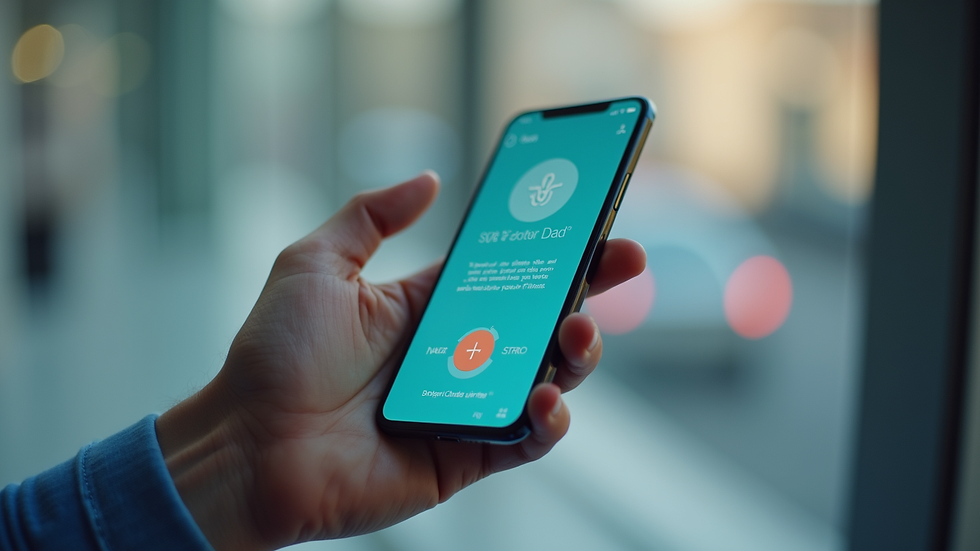
Online depression treatment offers a range of services designed to fit your lifestyle. It includes video sessions, phone calls, and even text-based support. These options make it easier to find the right fit for your needs. You don’t have to worry about travel time or scheduling conflicts as much. Plus, many therapists specialize in treating depression through these digital platforms.
Some common types of online therapy include:
Cognitive Behavioral Therapy (CBT): Focuses on changing negative thought patterns.
Interpersonal Therapy (IPT): Helps improve relationships and social functioning.
Mindfulness-Based Therapy: Encourages present-moment awareness to reduce stress.
Psychodynamic Therapy: Explores past experiences to understand current feelings.
Each method has its strengths, and a therapist can help you decide which one suits you best.

Benefits of Choosing Online Depression Treatment
There are many reasons why online depression treatment is becoming a preferred choice for many people. Here are some of the key benefits:
Accessibility: You can access therapy from anywhere, which is especially helpful if you live in a remote area or have mobility issues.
Comfort: Being in your own space can make it easier to open up and feel safe.
Flexibility: Scheduling is often more flexible, allowing you to fit sessions around your daily life.
Privacy: You can maintain privacy without worrying about being seen entering a therapist’s office.
Cost-Effectiveness: Sometimes, online therapy can be more affordable than in-person sessions.
These advantages make it easier to stay consistent with your treatment, which is crucial for managing depression effectively.
Can You Do Telehealth for Depression?
Yes, telehealth is a widely accepted and effective way to receive treatment for depression. Many licensed therapists and mental health professionals offer telehealth services. This means you can have real-time video or phone sessions that feel just like in-person meetings.
Telehealth also allows for ongoing monitoring of your progress. Therapists can adjust treatment plans based on your feedback and symptoms. This personalized approach helps ensure you get the support you need when you need it.
If you have concerns about privacy or technology, most platforms use secure, encrypted connections to protect your information. Therapists are trained to create a safe and confidential environment, even through a screen.
How to Choose the Right Virtual Therapy for Depression
Finding the right therapist and therapy style is important. Here are some steps to help you make the best choice:
Check Credentials: Look for licensed professionals with experience in treating depression.
Read Reviews: Patient feedback can give insight into the therapist’s approach and effectiveness.
Consider Specializations: Some therapists focus on specific groups like couples, families, or military personnel.
Evaluate Technology: Make sure you are comfortable with the platform used for sessions.
Ask About Treatment Plans: A good therapist will explain how they tailor therapy to your needs.
Trial Session: Many therapists offer an initial consultation to see if you feel comfortable working together.
Remember, therapy is a partnership. It’s okay to switch therapists if you don’t feel a good connection.
Making the Most of Your Virtual Therapy Sessions
To get the best results from your online therapy, consider these tips:
Create a Quiet Space: Find a private, comfortable spot where you won’t be interrupted.
Be Honest: Share your thoughts and feelings openly with your therapist.
Set Goals: Work with your therapist to set clear, achievable goals for your treatment.
Stay Consistent: Regular sessions help build momentum and progress.
Use Homework: Many therapists assign exercises or journaling to practice skills between sessions.
Reach Out When Needed: If you feel worse or have urgent concerns, contact your therapist or a crisis service immediately.
Virtual therapy can be just as effective as in-person treatment when you engage fully and communicate openly.
Moving Forward with Confidence
Choosing to seek help is a brave and important step. With the variety of effective virtual therapy options available, you can find support that fits your life and needs. Whether you prefer video calls, phone sessions, or text-based communication, there is a way to connect with a caring professional.
If you want to explore virtual therapy for depression, you can start by researching licensed therapists who offer online services. Remember, you are not alone, and help is within reach.
Taking care of your mental health is a journey. Each step you take brings you closer to feeling better and living a fuller life. Reach out, stay committed, and know that support is always available.




Comments